Table Of Content
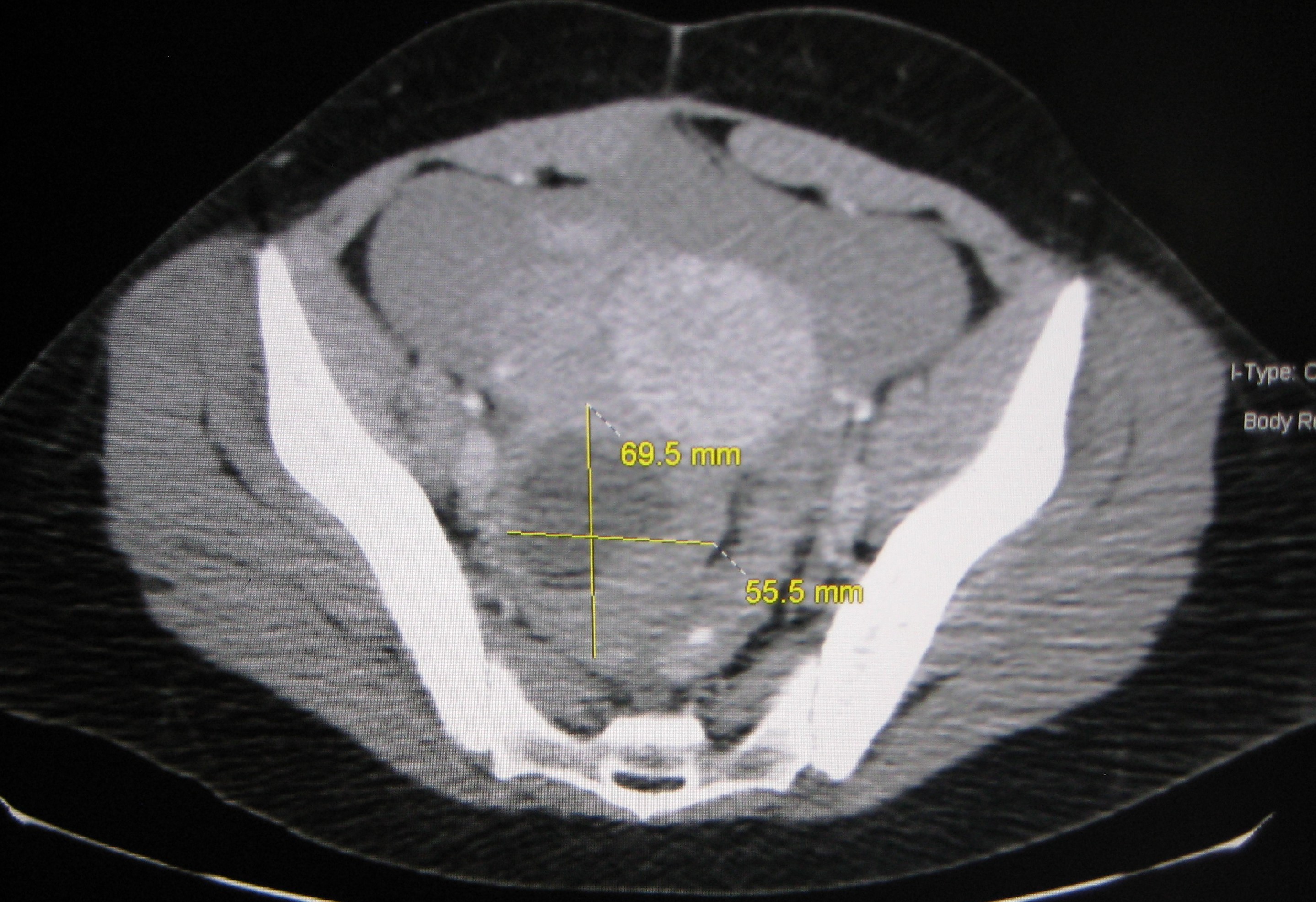
This fat appears dark due to the fat-suppression of the applied proton density-weighted turbo spin-echo sequence. The tumour originates from the left ovary (figure 2, arrowheads), consistent with an ovarian dermoid cyst. After some time of consideration the woman finally decided for laparoscopic ovarian cystectomy. Histopathology confirmed an ovarian dermoid cyst and detected no malignant tumour components. Ovarian cysts are common growths that develop on or inside your ovaries. The most common kinds are harmless, don’t cause symptoms and eventually go away without treatment.
How we reviewed this article:
Ovarian dermoid cysts are benign in 98% to 99% of all cases. After the removal of a benign cyst, there is a small risk of regrowth (4% in one study). The cysts become filled with hair, teeth, fat, and bone as the trapped cells grow into mature tissue.
Dermoid cyst: What is a dermoid cyst? And where do dermoid cysts come from?
But 91 percent have a spinal column, and 82.5 percent have limb buds. Once a person receives treatment, they are unlikely to have further complications. Appropriate treatment also means there is a very low chance that the cyst can reoccur. Without treatment, the cyst may develop an infection. Pain is often the first symptom of an infection a person experiences. Orthodontists use X-rays for many reasons, including investigating why a tooth has failed to erupt.
Sacrococcygeal teratoma (SCT)
Fluid builds up inside the follicle, and a corpus luteum cyst develops. Each ovary is about the size and shape of an almond. Eggs are released in monthly cycles during the childbearing years.
Schedule regular pelvic exams so that your provider can find any cysts early and offer treatment as needed. Because most dermoid cysts are present at birth, you’re unlikely to develop one later in life. Dermoid cysts are usually harmless, but you should discuss the pros and cons of surgical removal with your doctor.
Symptoms of cysts
They are common in acne and may occur on the face, neck, back, and genitals. These cysts are not cancer and do not lead to cancer. They tend not to hurt, but they can sometimes become swollen and painful. They also may break open (rupture) and cause scarring. A dentigerous cyst can develop over an impacted tooth.

Who is affected by ovarian dermoid cysts?
Nearly all teratomas require removal when discovered. Even if they aren’t cancerous, they can still grow or rupture, leading to other issues. For very large cysts that are causing symptoms, a doctor may recommend surgical removal. A doctor may recommend surgery to remove the cyst if it grows large, causes pain, or does not go away in time.
My ultrasound revealed hair and TEETH were growing in my uterus – and it’s been inside of me for two yea... - The Sun
My ultrasound revealed hair and TEETH were growing in my uterus – and it’s been inside of me for two yea....
Posted: Thu, 03 Feb 2022 08:00:00 GMT [source]
They form in response to your body’s changes during your menstrual cycle. Less commonly, ovarian cysts form for reasons unrelated to menstruation. An epidermoid (say "eh-pih-DER-moyd") cyst is a lump just under the skin. These cysts can form when a hair follicle becomes blocked.
What causes dermoid cysts?
If it gets infected, you could have belly button pain, fever, and bloody urine. Your doctor may give you antibiotics, drain or remove the cyst, and possibly repair the area with surgery. You may need tests (like a CT scan, ultrasound, or biopsy) to confirm that it’s a cyst. They do not go away, but often, cysts don’t need treatment. You can get cysts in many different parts of your body, and you may not even know that they’re there. Functional cysts are the most common type of ovarian cyst and aren’t disease-related.
Mature ovarian teratomas (dermoid cysts) usually present no symptoms. They are often discovered during routine gynecologic examinations. It explains how teratomas can be found with hair, wax, teeth, and can even appear as an almost-formed fetus. The location of teratomas also argues for their origin in primitive germ cells. Typically, the first step is surgery to remove the teratoma.
A pelvic exam may reveal the presence of an ovarian dermoid cyst. Another imaging test your doctor may use to identify this type of cyst is called a pelvic ultrasound. A pelvic ultrasound uses sound waves to create images. The test uses a wandlike device, called a transducer, that’s rubbed across the lower abdomen to create images on a nearby screen.
They may also be discovered during delivery via cesarean section (C-section). Ovarian dermoid cysts are the most common type of ovarian teratoma, which is a type of mass, or tumor, that develops on the ovaries. For a dermoid cyst to form, skin cells, tissues and glands typically found in skin collect in a sac.
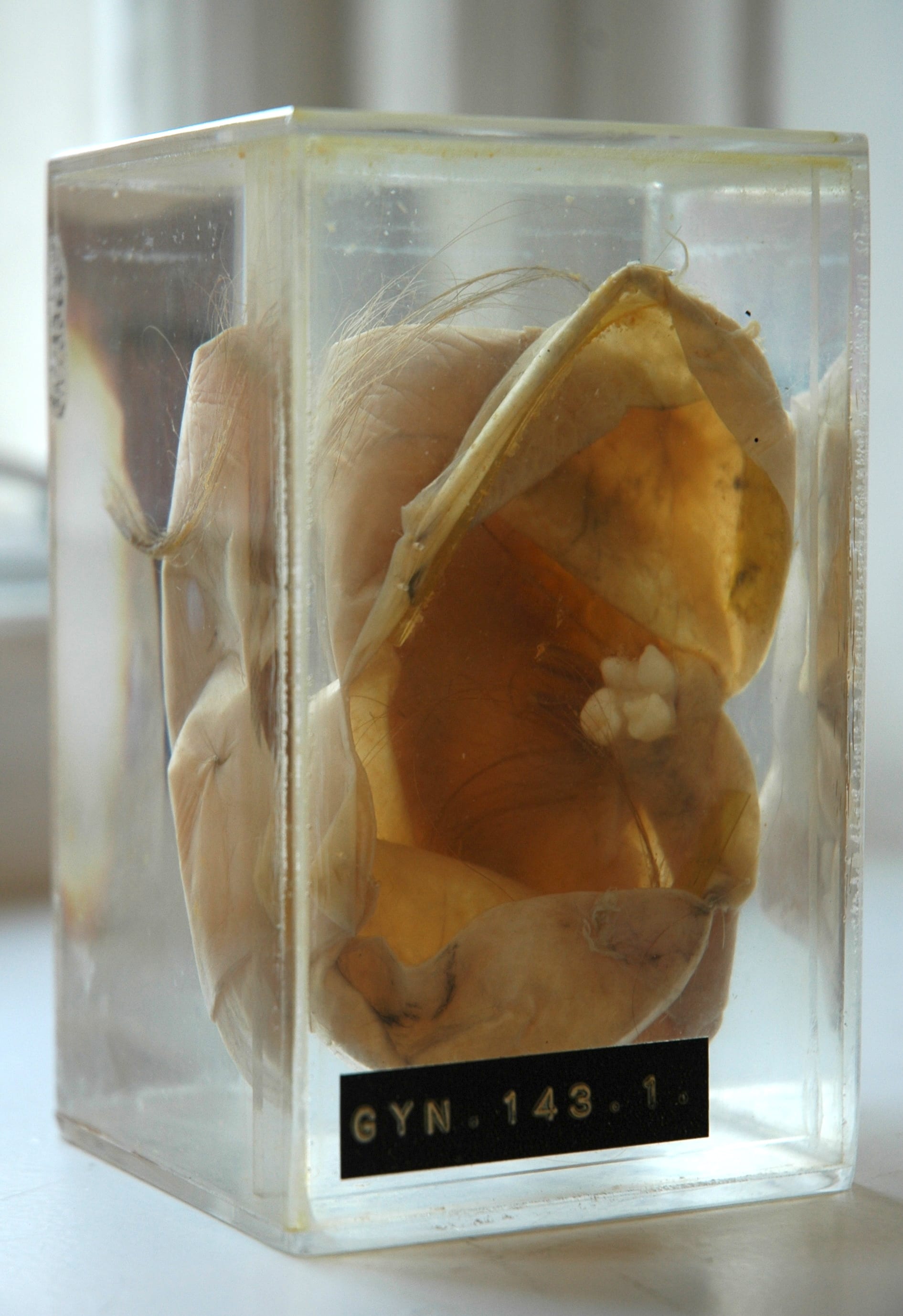
These glands continue to produce fluid, often causing the cyst to grow. Mature ovarian teratomas (dermoid cysts) are generally removed by laparoscopic surgery, if the cyst is small. This involves a small incision in the abdomen to insert a scope and a small cutting tool. Sometimes large dermoid cysts cause twisting of the ovary (ovarian torsion), which can result in abdominal or pelvic pain. A doctor will recommend surgery to remove an ovarian cyst if it is very large, continues to grow, or is causing symptoms.
It develops when fluid accumulates between the crown of an impacted tooth and the outer layer of enamel. If your provider finds a teratoma during the fetal stage of development, they’ll monitor your pregnancy closely. Small teratomas usually aren’t threatening and shouldn’t disrupt delivery. Large teratomas may require early delivery via C-section. Rarely, you may need fetal surgery to remove the teratoma before it leads to serious complications.


No comments:
Post a Comment