Table Of Content

As the style gained renown, countries made subtle alterations to resonate with their own ways of life. Otherwise known as late baroque, rococo architecture is slightly more toned down than its not-so-humble beginnings. Annibale Carracci and Caravaggio were the two Italian painters who helped usher in the Baroque and whose styles represent, respectively, the classicist and realist modes. The painter Artemisia Gentileschi was recognized in the 20th century for her technical skill and ambitious history paintings.
Key Elements of Modern Baroque Interior Design

So if you’re dreaming of a baroque interior without overdoing it, then keep scrolling for our expert advice. It is allowed to glue wallpaper on the walls, imitating luxurious fabric or marble. In inlays, instead of natural gems, it is permissible to use Swarovski crystals. A beautiful porcelain set in the Baroque style, located behind the glass doors of the hinged cabinets, of course, will become a spectacular design detail.
What are the characteristics of Baroque art and architecture?

The vestibule at Villa Oasis features traditional Moroccan treatments such as carved plasterwork, marble and tile floors and tooled metalwork on the arched door. The extravagance of baroque structures became possible with funding from European colonialism — French and Spanish in particular. Colonial money allowed those in power to build their ostentatious palaces to exhibit superiority. There are two different styles of baroque, namely full baroque and restrained baroque.
Decorate with glass
The theatre was a setting for magnificent productions of drama, ballet and opera – a new art form at that time. With their ornate costumes, complex stage sets and ingenious machinery, these performances created wonder and awe. Written by Jean-Baptiste Lully for the French court of Louis XIV (reigned 1643 – 1715), the opera Atys was such a favourite with the King that it became known as "The King's Opera". Our collection includes a pen and ink design for the costume of the character Hercules in Atys.
The Ultimate Guide To Baroque Decor
‘A Baroque tamed to suit a northern taste’ - Apollo Magazine
‘A Baroque tamed to suit a northern taste’.
Posted: Mon, 30 Jan 2017 08:00:00 GMT [source]
Additionally, scale works the best in a room where you allow for negative space. For example, if you're designing a gallery wall, instead of placing frames in close proximity to each other, leave adequate space between them. Baroque interior design is the style of decor style of the Baroque period of architecture, art, and design that developed in the 17th and first half of the 18th century in Italy and France. Baroque interior design refers to the style of decor that was used during the Baroque period of architecture, art, and design in the 17th and first half of the 18th century.
Decorate with large pieces
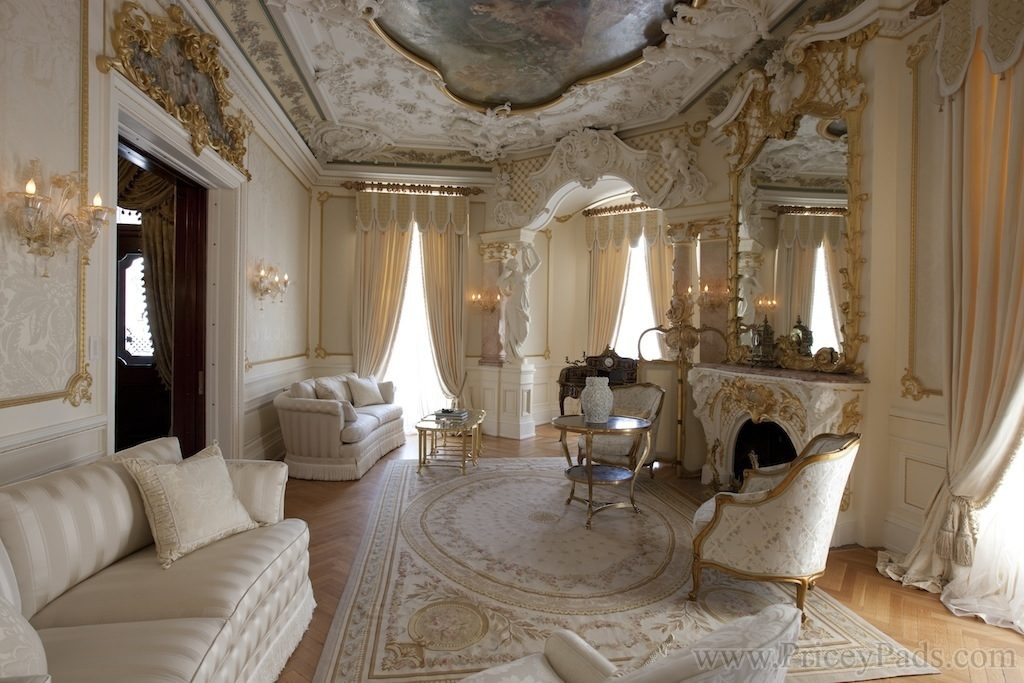
Key elements of Baroque design include complex, curvilinear forms, a strong emphasis on verticality and light, and an intricate juxtaposition between the ornate and the theatrical. Baroque style puts a strong emphasis on grand lighting, typically featuring elaborate crystal chandeliers and wall sconces that generate a romantic and luxurious atmosphere. Mirrors are another crucial element in Baroque interiors, used for their ornate frames and ability to reflect light across the space, enhancing its overall opulence. When it comes to furniture, Baroque design focuses on luxurious and intricately crafted pieces.
They are usually floral-printed fabrics that are used on furniture. A baroque interior, when properly designed, always looks majestic, luxurious, and elegant. It favorably emphasizes the owner’s status but requires delicate taste, high-quality material, and a lot of space. To create the ideal lighting scenario in a large room, the lighting is formed in a zonal and height-based manner. So, in rooms with high ceilings, the central chandelier will complement floor lamps, sconces located below.
Baroque style can be found in historic palaces, churches, and grand residences across Europe, such as the Palace of Versailles in France and St. Peter’s Basilica in Vatican City. In modern interior design, elements of Baroque can be incorporated through decorative pieces, furniture types, and textiles and upholstery, adding a touch of luxury and historical depth to spaces. Baroque interior design style is a decorative style that originated in Italy and France in the 17th and 18th centuries. It is characterized by ornate, elaborate, and grandiose designs that feature intricate details, curves, and dramatic effects.
RAMSA’s new art museum at Notre Dame has a hidden chapel with stained glass by Mimmo Paladino
Cheesecake Factory Interiors Are Weird and Wonderful, All Thanks to This Designer - Eater
Cheesecake Factory Interiors Are Weird and Wonderful, All Thanks to This Designer.
Posted: Wed, 21 Jun 2017 07:00:00 GMT [source]
Parquet floors are a big part of that look, as well as distressed furniture. Of course, there’s also the French château style, which is much closer to Baroque since it’s more intricate in its detailing. Bronze and crystal are a big part of this style, but ornate clocks and oversized furniture like sofas and beds also play a role.
Many Louis-inspired furniture pieces are made with beautiful hardwoods like oak, ebony, ash, and mahogany; they’re painted with either a varnish or lacquer. Some incorporate porcelain and marble, also, as well as copper and steel. You can find them in antique shops, flea markets, estate sales, and online marketplaces.
Used in the correct position, mirrors can also bring more light into the room. Remember, Baroque is known for being decadent and dramatic, and there are few things more decadent and dramatic than gold. Gold gilding on walls, ceilings, mirrors, and chandeliers is a hallmark of this classic design style.
Theatre also played a role in the power struggles between European courts. Rulers vied to outdo each other in the magnificence of their productions. In France, theatre and opera also became a key element of Louis XIV's cultural policy, which was used to control the nobility and express his power and magnificence. In the early 18th century, the theatre building itself acquired new importance as proof of courtly, civic or technological power. The resulting new buildings across Europe established the theatre in the form we know today.
Imagine stepping back in time to an era synonymous with opulence and ornate design. The moment you enter the grand room, your eyes are drawn to intricate details and luxurious textures. This is the world of Baroque interior design, a style that emerged during the 17th century, leaving an indelible mark on the history of art and architecture. Today, we may not be able to rebuild our homes to incorporate baroque style architecture, but we can incorporate curves into our interior design. For example, adding in curved archways or sculptural furniture pieces with rounded silhouettes can make a room appear cozier and more open.
From sophisticated living room designs to space-saving and clutter-free interior designs, we are here to help you find the best home decor and home design to match your needs and style. All our products come with a 5-year warranty along with unwavering support and maintenance services. Explore thousands of inspiring interior designs or get a free estimate – it's all here on HomeLane.com, your one stop for complete home interiors. Baroque-style architecture is extravagant, and so is its colour palette – with rich hues like pink and red being highlighted at the forefront. But what actually brings them under the spotlight is a faultless white and gold finish.
The interplay of different materials creates a sensory experience that is both visually appealing and inviting. In conclusion, the impact and legacy of Baroque interior design is evident in the continued use of its defining elements, such as grandeur, drama, and opulence. Baroque is known for its ornate details, like its use of Oriental rugs.
Walls with detailed, precise tableaus depicting mythological tales are baroque through and through. Representations of the natural world, as well as motifs derived from human and animal forms, were popular decorative features. The most widespread form of Baroque floral decoration was a running scroll, often combined with acanthus – a stylised version of a real plant of the same name.